The Smart School Transport Guide: Eliminating Route Inefficiencies and Securing Quarterly Bus Fees
For school administrators, managing daily school transport is a complex logistical and financial balancing act. Your fleet of buses must transport hundreds of students across multiple geographical routes safely, on time, and within budget. At the same time, your accounting team must bill and collect varying quarterly bus fees based on individual bus routes and distance tiers.
When transport operations are managed on paper logs or generic spreadsheets, inefficiencies are inevitable. Buses run half-empty on poorly planned routes, students board buses they aren't registered for, and accounts clerks lose track of transport fee defaults, leading to significant revenue leakage in this critical cost center.
Establishing an optimized, leak-proof transport network requires integrating route mapping with automated billing ledgers in a single, unified loop.
The Logistics and Billing Choke Points
Managing transport on manual registries or disconnected software applications introduces significant financial leakage and safety risks for school leaders.
1. Manual Route and Driver Allocations
When bus routes are mapped manually on paper, class teachers often don't know which vehicle a student is assigned to. If a route changes, updating parent lists, driver manifests, and school registries takes hours of clerical labor, leading to communication errors and parental stress.
2. Distance-Based Billing Discrepancies
Transport charges vary. A student living 2km away from campus pays a different quarterly fee than one living 15km away. Accounts clerks must manually calculate these distance variations, apply siblings concessions, and track transport fees alongside tuition fees, resulting in frequent billing errors and uncollected dues.
3. Lack of Real-Time Passenger Manifests
Drivers must ensure that only registered, paid students board their vehicles. Without real-time, digital passenger lists, unregistered students board buses, compromising safety standards and causing significant transport revenue leakage.
1. Steps to Optimize Transport Operations
To secure transport revenues and streamline fleet logistics, you must centralize your administration around three critical digital pipelines.
Step 1: Map Digital Geo-Fenced Bus Routes
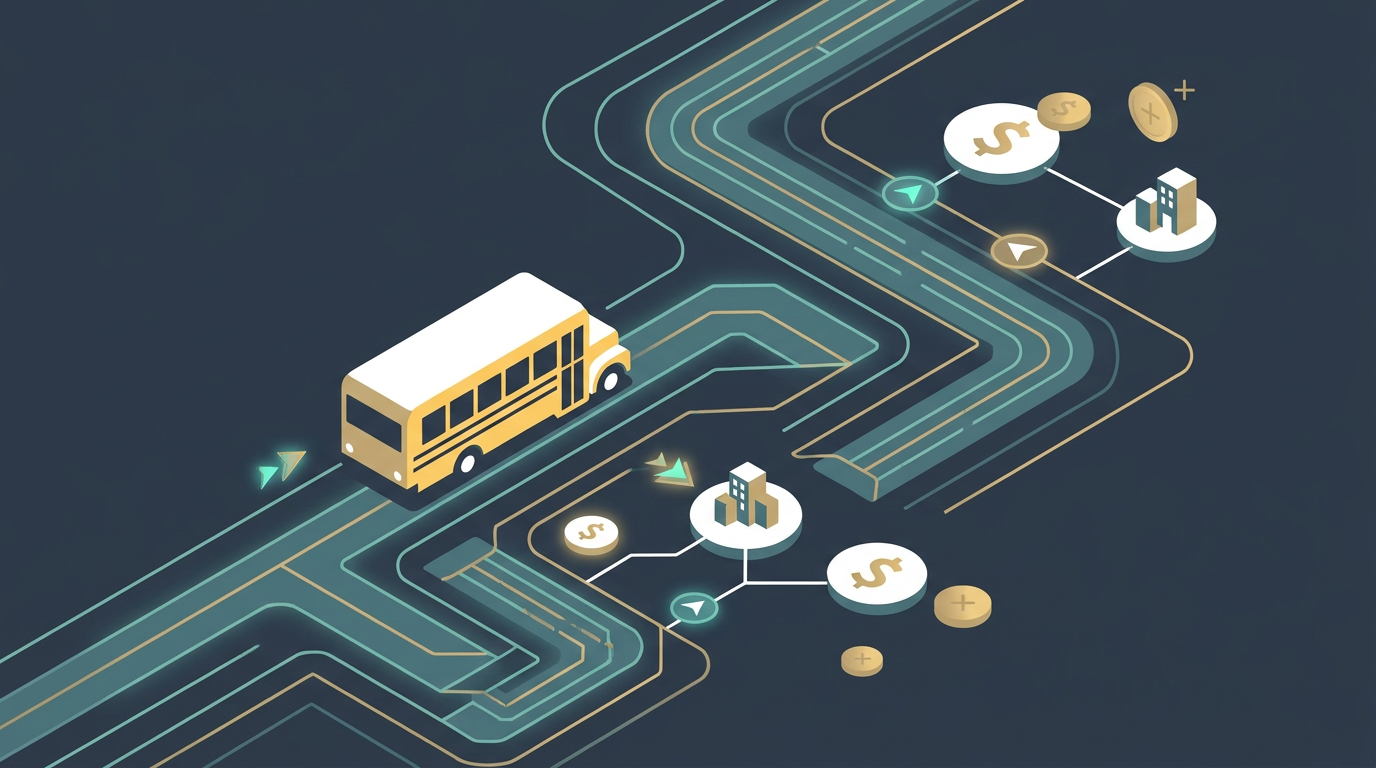
Define your core transport routes in your central database. Specify active bus stops, assign vehicle numbers, and set distance-based billing tiers for each route, establishing a clean operational framework.
Step 2: Automate Distance-Based Transport Billing
Bind student profiles to their respective bus stops during enrollment. The system uses this mapping to generate quarterly transport invoices automatically based on their distance tiers, appending charges directly to their master fee ledgers.
Step 3: Generate Dynamic Driver Manifests
Maintain up-to-date, route-wise passenger lists that drivers can view on their tablets or mobile devices. This ensures that only registered, paid students board the buses, enhancing student safety and completely stopping route revenue leakage.
2. Reclaiming Peace of Mind with CampusMint’s Transport Console
We designed CampusMint’s transport module specifically to simplify the complex administrative workflows faced by fleet coordinators, allowing you to manage your transport network with absolute ease.
Frictionless Route Control
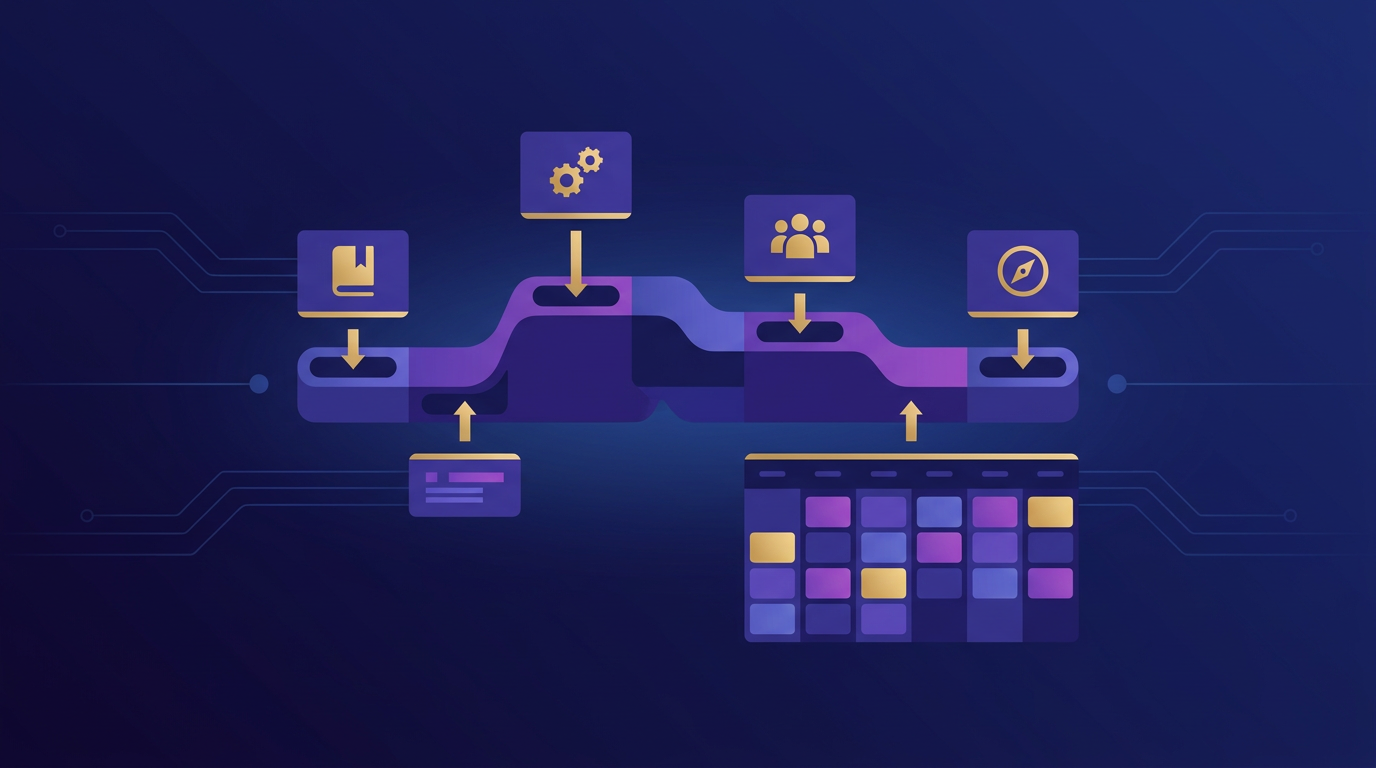
CampusMint’s dynamic planners allow you to define routes, assign vehicle listings, and map student pickups from a single, unified interface. Prevent routing overlaps and coordinate driver rosters cleanly, ensuring student safety.
Auto-Reconciled Transport billing
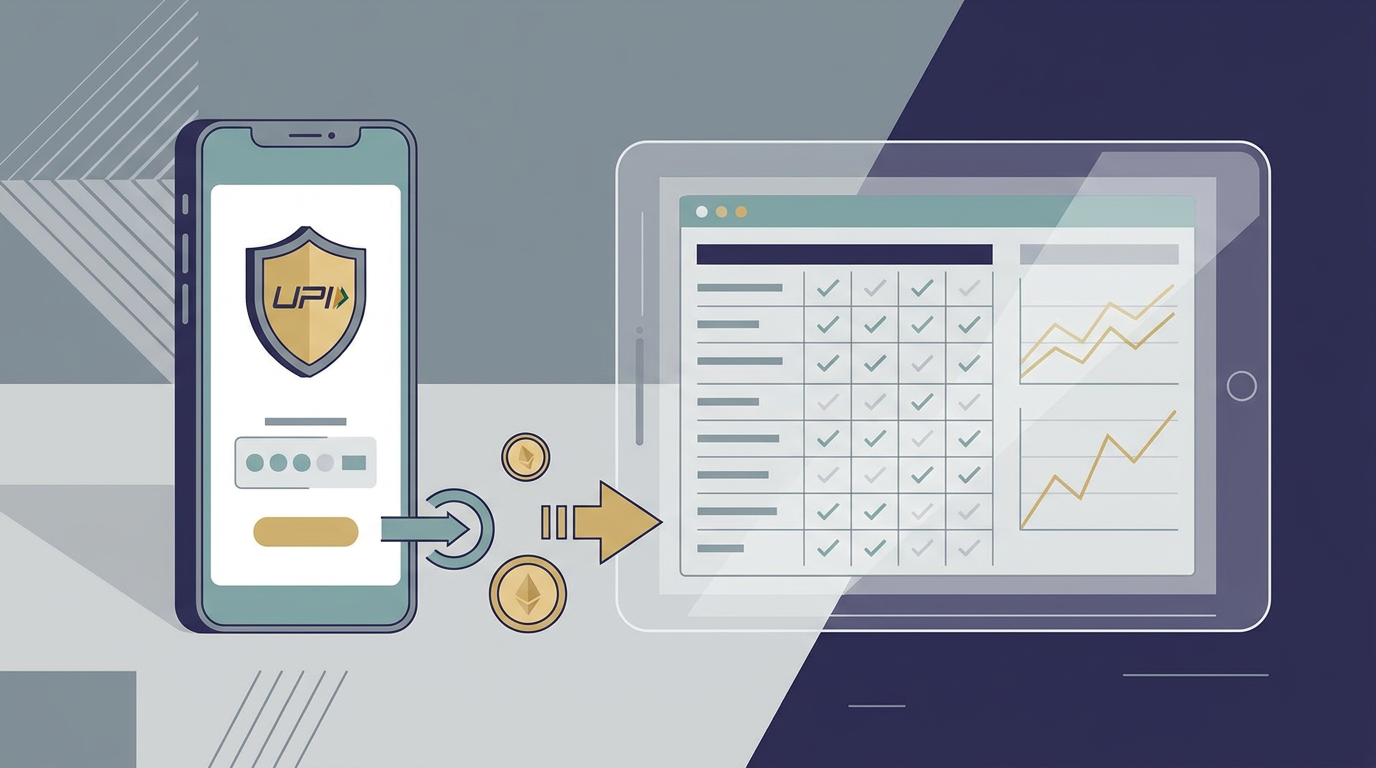
Our platform automates distance-based fee generation. Bind student profiles to their bus stops during registration, and let the system generate transport invoices, apply sibling concessions, and collect fees securely, keeping your cash flows completely secure.
Real-Time Manifest Access
Equip drivers with secure mobile access to passenger registers. Ensure only registered, paid students board the buses, maintaining strict safety standards and completely eliminating revenue leakage across your fleet.