The Anatomy of a Modern Fee Collection System: Eliminating Leakage and Manual Reconciliation
In the accounts office of an average Indian school, the atmosphere during fee week is a mixture of intense concentration and logistical stress. Lines of parents snake out of the door. The sound of currency counting machines fills the air. Accountants are frantically flipping through physical registers, searching for student names, writing paper receipts, and handing out change.
In the background, a separate digital mess is unfolding. The school’s email inbox is flooded with parent screenshots of bank IMPS/NEFT transfers, direct UPI deposits, and screenshots of payment confirmation screens from various mobile apps.
Every transfer must be manually matched to a bank statement, then matched to a student record, then manually entered into a ledger. It is a slow, tedious, and error-prone process. Every month, thousands of rupees go missing in "administrative leakage"—untracked late fees, forgotten transport additions, miscalculated concessions, or payments recorded against the wrong student.
Fee collection is the financial engine of your institution. If your accounts team is spending hours on manual reconciliation, they are wasting time that should be spent on strategic budgeting, procurement, and growth planning.
This guide breaks down the technical anatomy of a modern, leak-proof fee collection system designed to eliminate manual reconciliation, secure outstanding balances, and streamline accounting labor.
The Hidden Costs of Legacy Fee Collection
Many institutions believe that having a "computerized" fee system—such as recording payments in offline database systems or Excel sheets—is sufficient. However, localized, disconnected databases introduce severe hidden vulnerabilities.
1. Revenue Leakage through Inconsistent Fine Calculations
When late fees and fines are calculated manually by counter clerks, inconsistency is inevitable. A parent might negotiate a waiver, or a clerk might overlook a due date by a few days. Over hundreds of students, these minor exceptions add up to a significant loss in institutional revenue.
2. The Bank Statement Reconciliation Nightmare
When parents pay directly via bank transfer, matching a transaction labeled "UPI/9876543210/DEEPAK" to a student named "Aryan Sharma" requires hours of manual cross-referencing. If the parent forgets to share the transaction screenshot, the payment remains unrecorded, and the student's name incorrectly appears on the due-fee defaulters list, leading to embarrassing parental disputes.
3. Lack of Real-Time Financial Oversight
School leaders need to know their exact cash flow position. With manual or disjointed systems, calculating the total fees collected, total outstanding balances, and overall projected collections requires compiling multiple sheets and takes days of clerical effort. Decisions are made based on outdated, historical data rather than real-time insights.
1. The Anatomy of a Leak-Proof Fee Ecosystem
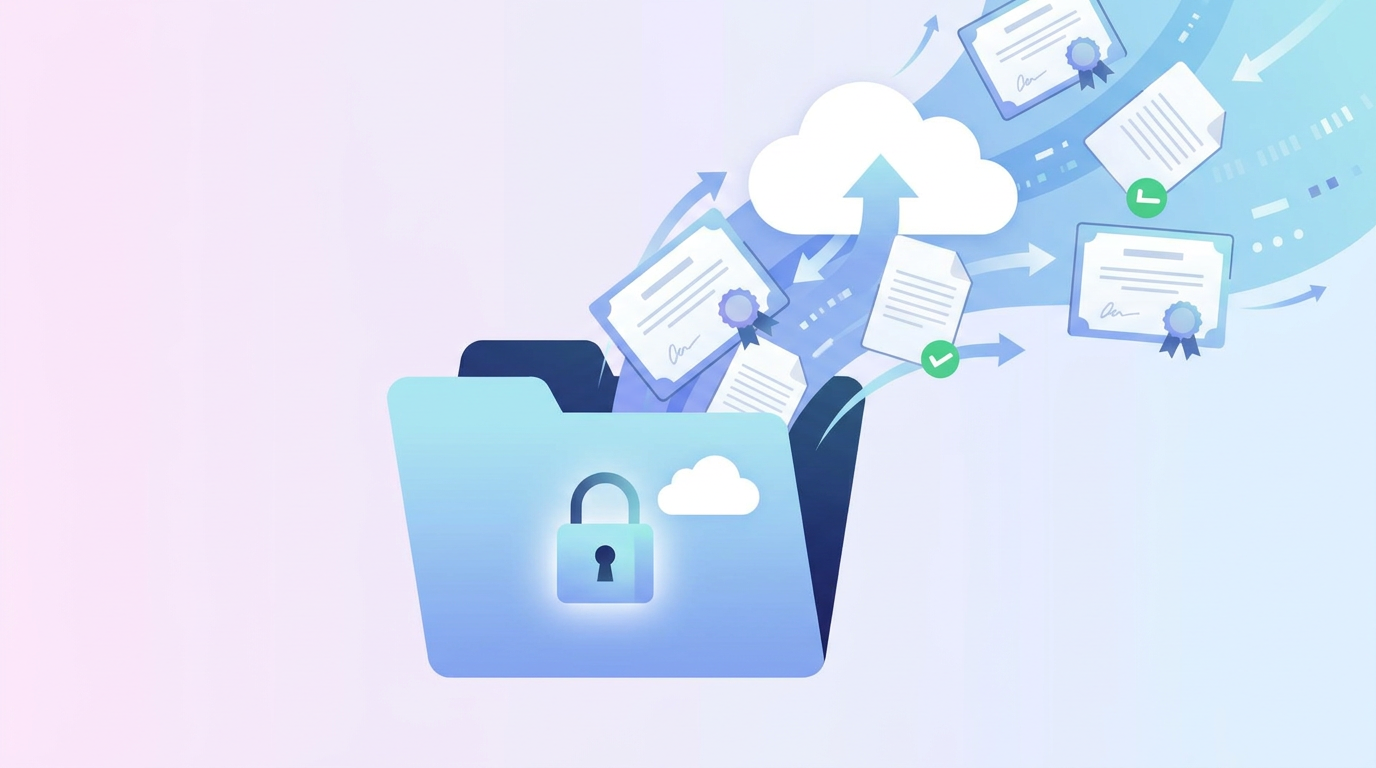
A modern educational fee collection system must be designed as an integrated, cloud-first engine where invoicing, payment collection, and accounting happen inside a single, synchronized loop.
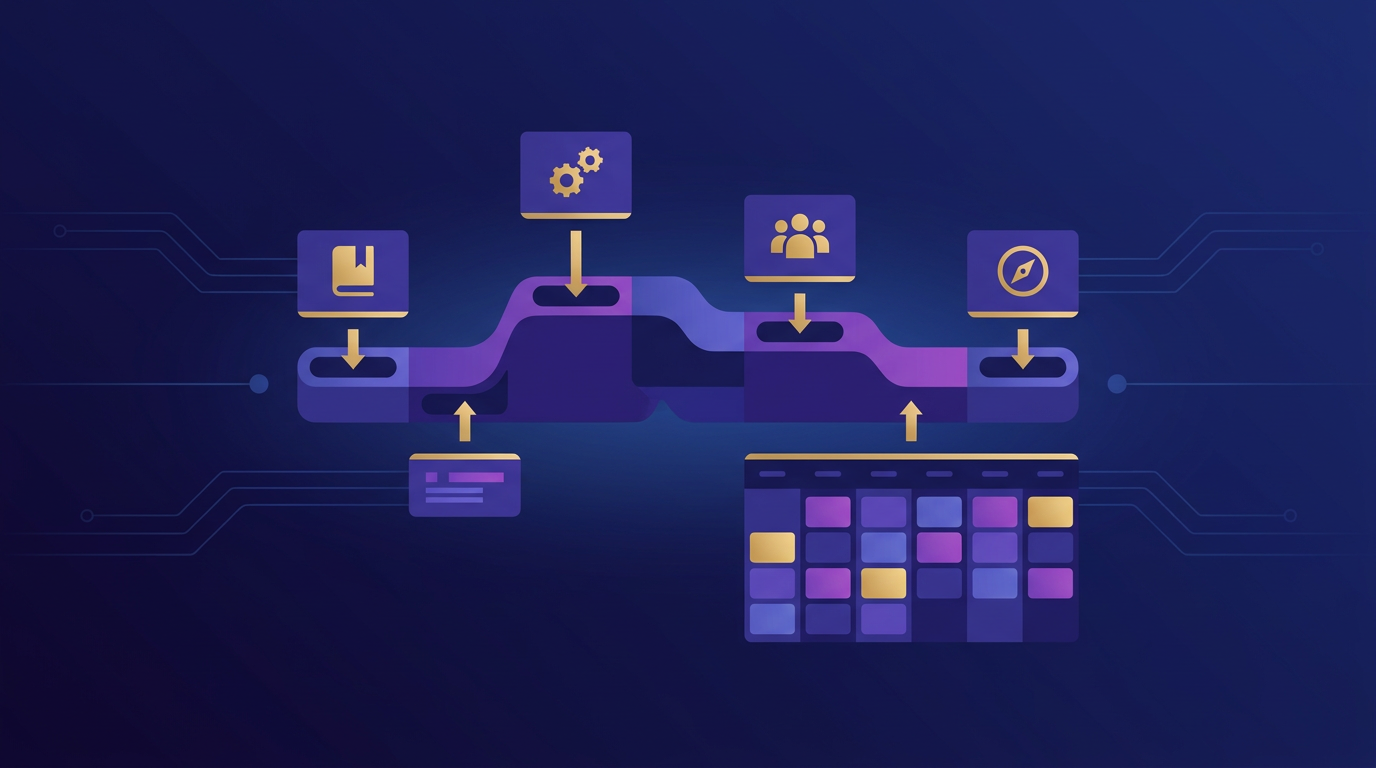
The Integrated Fee Loop
- Automated Invoicing: Software auto-generates ledgers based on class, transport routes, and approved concessions.
- Digital Payment Gateways: Direct parent billing via secure, personalized UPI links and credit/debit options.
- Instant Ledger Updates: The moment payment is approved, the student record and financial cash books update instantly.
- Automated Digital Receipts: Verified receipts are generated and emailed/SMSed to parents instantly, with zero manual input.
1.1 The Multi-Tiered Fee Structure Engine
Your fee software must support the highly complex, multi-tiered fee structures common in Indian institutions. It should allow you to configure:
- Core Fees: Tuition, admission, and term fees assigned globally or by class.
- Optional Fees: Transport charges mapped automatically to specific bus routes, lab fees mapped to science streams, or hostel fees.
- Flexible Concessions: Automated percentage or flat-rate waivers for sibling enrollments, staff children, merit scholarships, or RTE quotas, eliminating manual calculations at the counter.
1.2 Integrated Online Payment Gateways with Auto-Matching
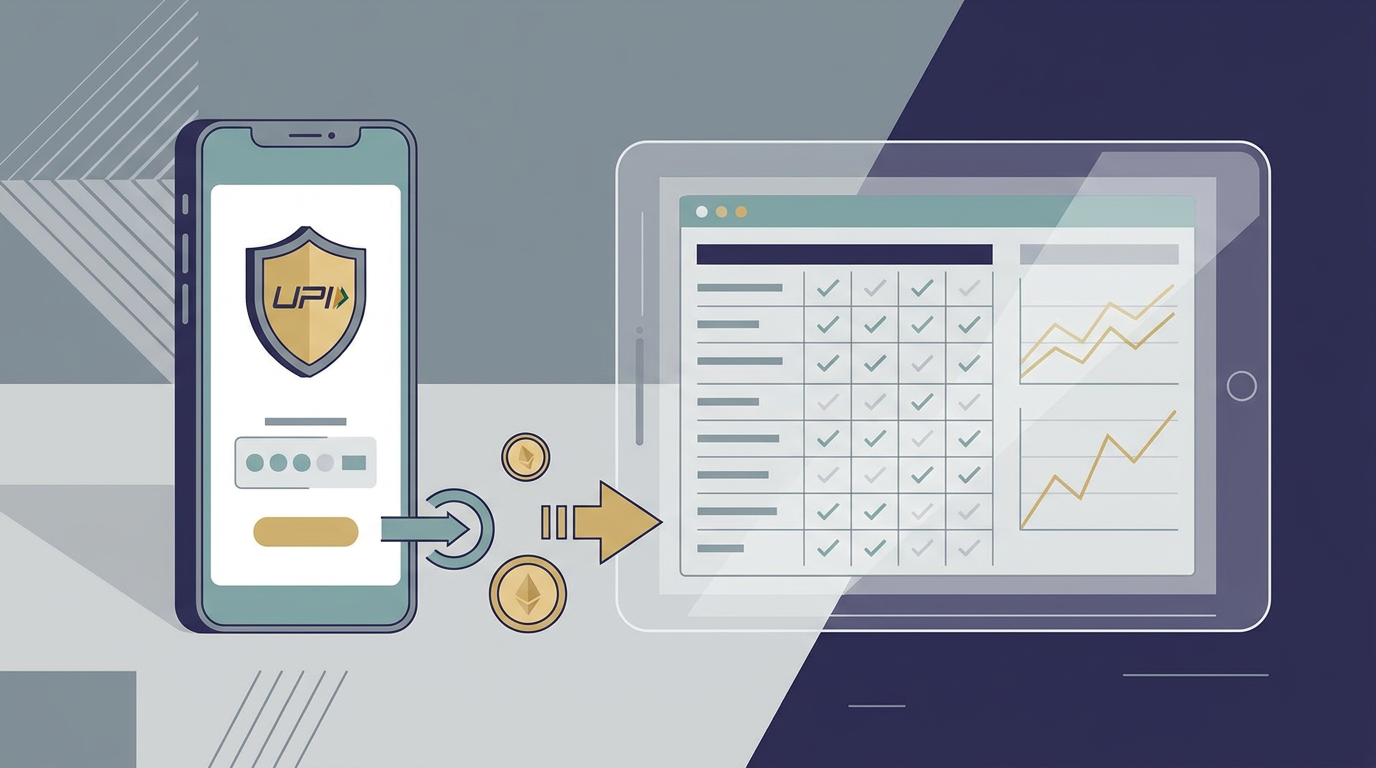
The system must bypass manual bank transfers by offering direct, integrated online payment collection. When a parent logs into their portal, they should be presented with their due invoice and a secure "Pay Now" button linking to Indian payment gateways (supporting UPI, Google Pay, PhonePe, credit cards, debit cards, and net banking).
Because each transaction is tied to a unique invoice ID generated by the system, the moment the transaction is successful, the gateway notifies the software. The system automatically marks the invoice as "Paid," records the settlement in the ledger, issues a digital receipt, and sends a confirmation SMS—all within three seconds, and with absolutely zero human intervention.
1.3 Self-Service Portals and Auto-Reminders
Stop chasing parents over phone calls or WhatsApp. The system should act as a polite, automatic billing collector.
Configure automated fee reminders via SMS, email, and app notifications. For example, set the system to send an alert five days before the due date, another on the due date, and automated daily late-fee warnings after the grace period expires. Parents can view their complete outstanding ledgers and transaction histories on their mobile devices at any time, promoting absolute transparency.
2. Transitioning Safely: Best Practices for Administrators
To implement a modern fee system without disrupting your daily administrative cash flows, follow these key practices:
Keep the Counter Option for Cash, but Digitize It
While online payments should be encouraged, some parents will always prefer cash or checks at the school counter. Your software must feature a fast "Over-the-Counter" collection console. The clerk records the cash received, and the system instantly updates the ledger, prints a standardized receipt, and records the transaction in the accountant's daily cash log, maintaining a single, unified record-keeping system.
Insist on Immediate Bank Settlement Mapping
Ensure that your payment gateway provider settles transactions into your school’s bank account promptly (ideally T+1 or T+2 days) and provides clear settlement reports that can be exported directly into standard accounting software like Tally.
3. Why CampusMint is the Ultimate Financial Console for Educational Institutions
We designed CampusMint’s fee module to be the most robust, secure, and user-friendly financial tool in the Indian education sector. We focused on eliminating clerical manual labor and providing absolute financial clarity to school leaders.
Seamless UPI and Payment Gateway Integrations
CampusMint integrates directly with leading Indian payment processors. Parents can settle outstanding fees using their preferred UPI apps, credit cards, or net banking. Transactions are processed securely, ledger balances are updated instantly, and professional, tax-compliant digital receipts are issued automatically, eliminating bank reconciliation backlogs entirely.
Dynamic ledger generation
When you set up your academic year, CampusMint auto-generates the entire billing ledger for every student. You can map transport fees to bus routes, apply customized concessions with a single click, and let the system handle late-fee calculations, fines, and invoice generation automatically.
Real-Time Financial Analytics for Directors
Our dashboard provides school owners and directors with real-time financial health summaries. View overall fee collection percentages, projected revenues, outstanding dues by class, and daily collection logs through intuitive, visual charts, empowering you to make data-driven decisions instantly.