Unifying 5 Distinct Departments: How an Engineering and Science College Simplified Inter-Departmental Grading
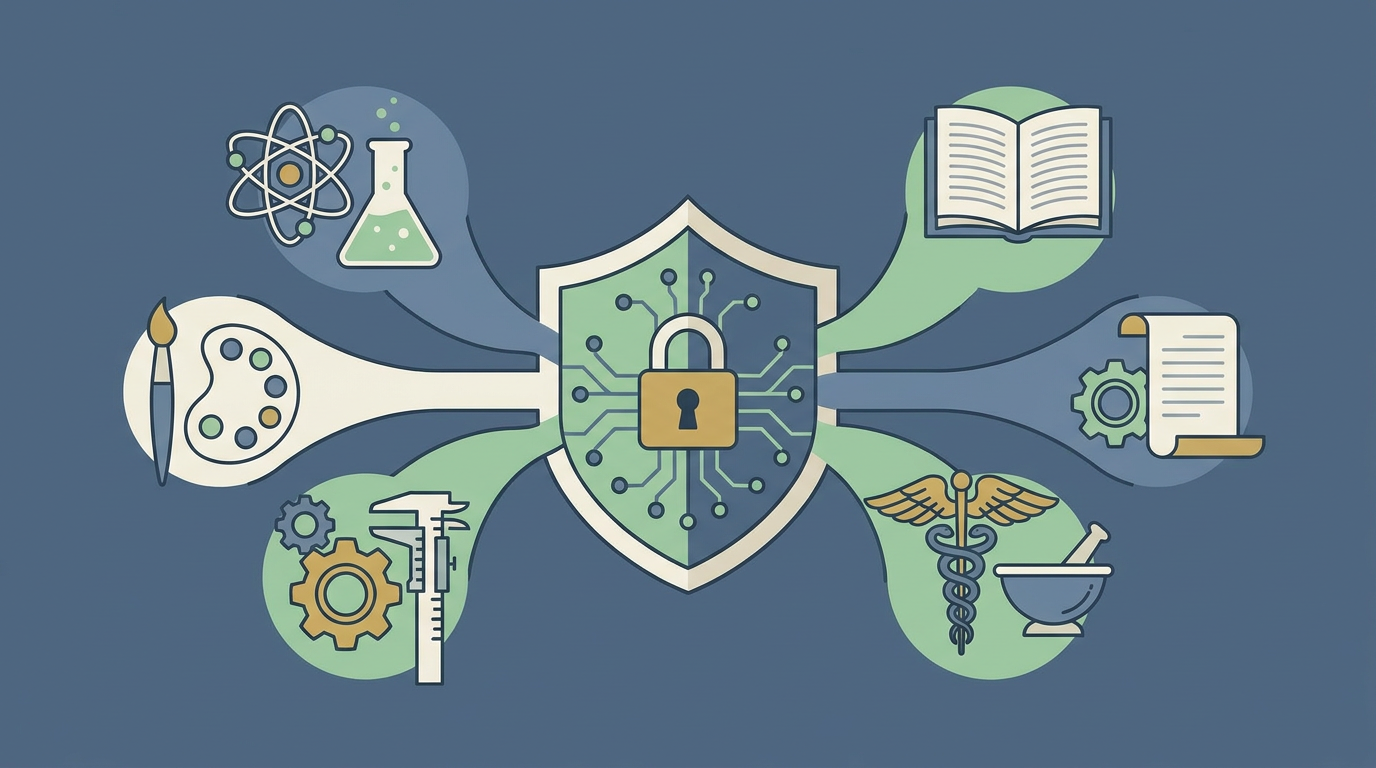
In the higher education sector, administrative fragmentation is often amplified by departmental divisions. A prominent science and engineering college with over 3,000 students across five distinct departments (Computer Science, Mechanical, Civil, Physics, and Mathematics) was facing severe coordination bottlenecks.
Each department operated as an independent silo, managing student registries on separate desktop databases, compiling grading sheets in localized spreadsheets, and scheduling labs on offline calendars. This lack of integration led to major lecture timetable conflicts, room scheduling clashes, and severe compilation delays at the registrar's desk when compiling end-term grade reports.
"Our registrar spent nearly three weeks at the end of every semester coordinating between five different department heads just to compile student marks and resolve scheduling overlaps," the College Dean explains. "We were drowning in spreadsheet files, and student grades were frequently delayed."
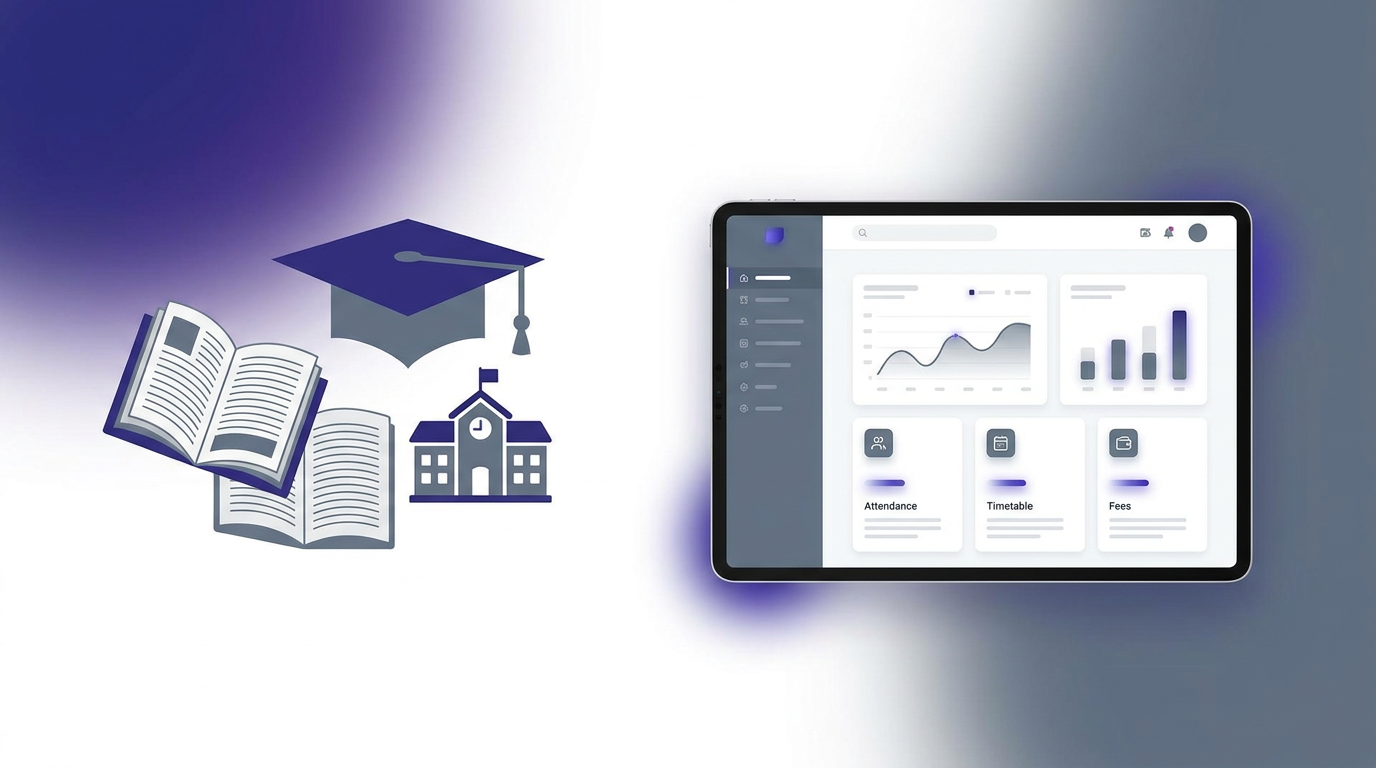
This case study details how this prominent college unified its academic operations, synchronized timetables, and consolidated grading records under CampusMint’s Higher Education ERP.
The Operational Coordination Gaps
Managing decentralized department registries on paper registers or localized, offline databases introduced significant operational blind spots for deans and directors.
1. Departmental Data Silos
Because student records were disconnected, a student from the Computer Science department taking an elective course in the Mathematics department had their records copied manually across both databases, resulting in frequent errors and record mismatches.
2. Resource and Lab Overlaps
Offline scheduling meant that the Physics lab and Chemistry seminar halls were frequently double-booked, leading to daily scheduling disruptions, classroom overlaps, and teaching delays during final exam weeks.
3. Delayed Grade Compilations
Gathering continuous assessment scores, mid-term grades, and final exam marks across five departments to calculate weighted GPA scales was a massive clerical chore, frequently leading to calculation errors and delaying student transcripts by months.
The Transformation: Consolidating under CampusMint
The college retired their departmental systems and deployed CampusMint’s unified cloud platform, focusing on three core areas.
1. A Single, Consolidated Student Information Registry
CampusMint consolidated student records into a single, secure central database. A student's profile now persists across all departments, electives, and semesters under a unique, authenticated registration ID, eliminating data duplication.
2. Dynamic, Cross-Departmental Timetable Planners
Administrators mapped all classrooms, seminar halls, and laboratories to a central, interactive resource calendar. The system monitors bookings in real-time, preventing resource clashes and optimizing lecture schedules automatically.
3. Unified Continuous Evaluation and Grading Rails
Teachers across all five departments now enter internal assessments and exam grades directly into their mobile consoles. CampusMint’s grading engine dynamically compiles SGPAs and CGPAs according to approved credit weightings, allowing the registrar to generate complete, verified transcript sheets in under an hour, down from twenty days of manual coordination.
The Quantifiable Impact
Within six months of launching CampusMint, the college transformed its administrative landscape:
- 100% Elimination of Resource Overlaps: Double-bookings of labs and lecture halls were completely resolved.
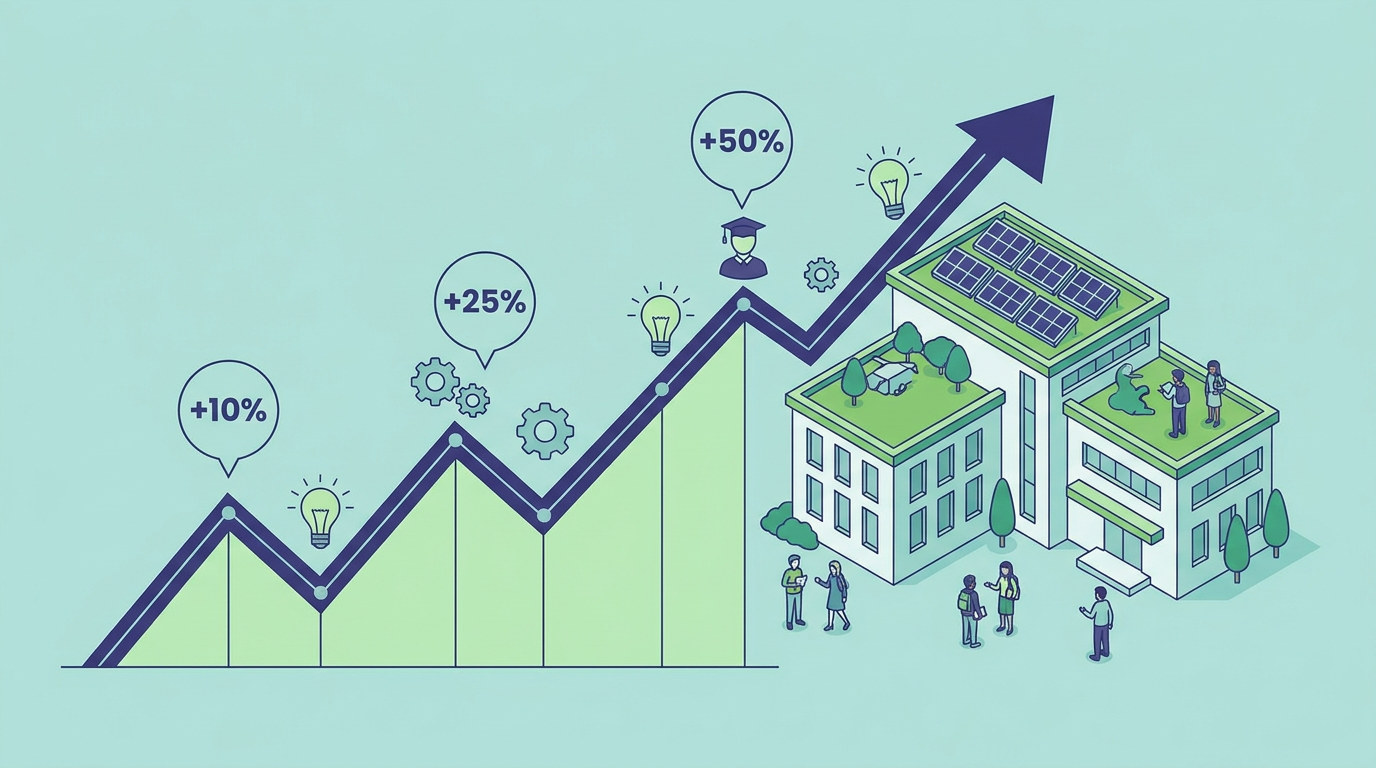
- 95% Reduction in Grade Compilation Time: Generating end-term grades and student transcripts was reduced from three weeks of inter-departmental coordination to under an hour of automated processing.
- Complete Administrative Accountability: The central registrar enjoyed complete operational oversight, securing student records and enabling deans to monitor performance logs instantly.