Stopping Student Attrition: How Seamless Parent Engagement Strengthens K-12 Re-Enrollments
In the highly competitive K-12 educational market in India, attracting new student admissions is only half the battle. The true measure of a school’s operational stability, brand reputation, and financial health is its student retention rate. Every academic year, schools face quiet student attrition as parents move their children to competing institutions due to administrative friction, communication gaps, or a lack of visibility into their child's daily progress.
When parents feel disconnected from their child’s school, receiving only generic notices and unexpected fee invoices, their brand trust erodes. Alternatively, when a school establishes an open, professional, and completely transparent communication loop, parents feel like valued partners in their child's educational journey, significantly boosting re-enrollment rates.
Stopping student attrition requires moving beyond paper circulars and chaotic chat threads to establish a seamless, digital-first parent portal.
The Operational Friction Points Driving Attrition
School owners frequently struggle with student attrition due to fragmented communication channels that damage parental relationships.
1. The "Black Box" Classroom Experience
Parents often feel they have no visibility into what happens between daily drop-off and pickup. When attendance, daily homework, and behavioral marks are a mystery, families feel disconnected and are easily attracted to schools that offer better transparency.
2. Wasted Counter and Billing queues
Forcing parents to stand in long lines at the school office or navigate confusing bank transfer statements introduces unnecessary friction that harms parent-school relations and damages the school’s brand perception.
3. Uncoordinated Academic Reports
When parent-teacher meetings are the only times parents receive updates on grades, they are hit with unexpected academic surprises. Without continuous feedback, parents feel unsupported and lose trust in the school’s academic standards.
1. The Blueprint for Parent Engagement
To foster parent trust and improve K-12 re-enrollment rates, private schools must transition to a secure, cloud-first parent portal.
Step 1: Launch Branded, Mobile Parent Portals
Equip parents with secure, personal mobile dashboards where they can view daily attendance records, homework assignments, class schedules, and school announcements with a single tap.
Step 2: Automate Real-Time Safety Notifications
Enforce instant SMS and app notifications for critical updates, such as when a student is absent, when exam dates are finalized, or during school emergencies, giving parents absolute peace of mind.
Step 3: Provide Cashless Billing and Instant Digital Receipts
Deploy integrated, cashless UPI payment options. Parents can settle quarterly fees in seconds from their phones, and receive professional, tax-compliant digital receipts instantly on their portals, making payment transactions completely painless.
2. Reclaiming Retention with CampusMint’s Parent Portal
We designed CampusMint’s parent module specifically to build authoritative, empathetic, and transparent relationships between schools and families, securing your student retention pipeline.
Self-Service Parent Dashboards
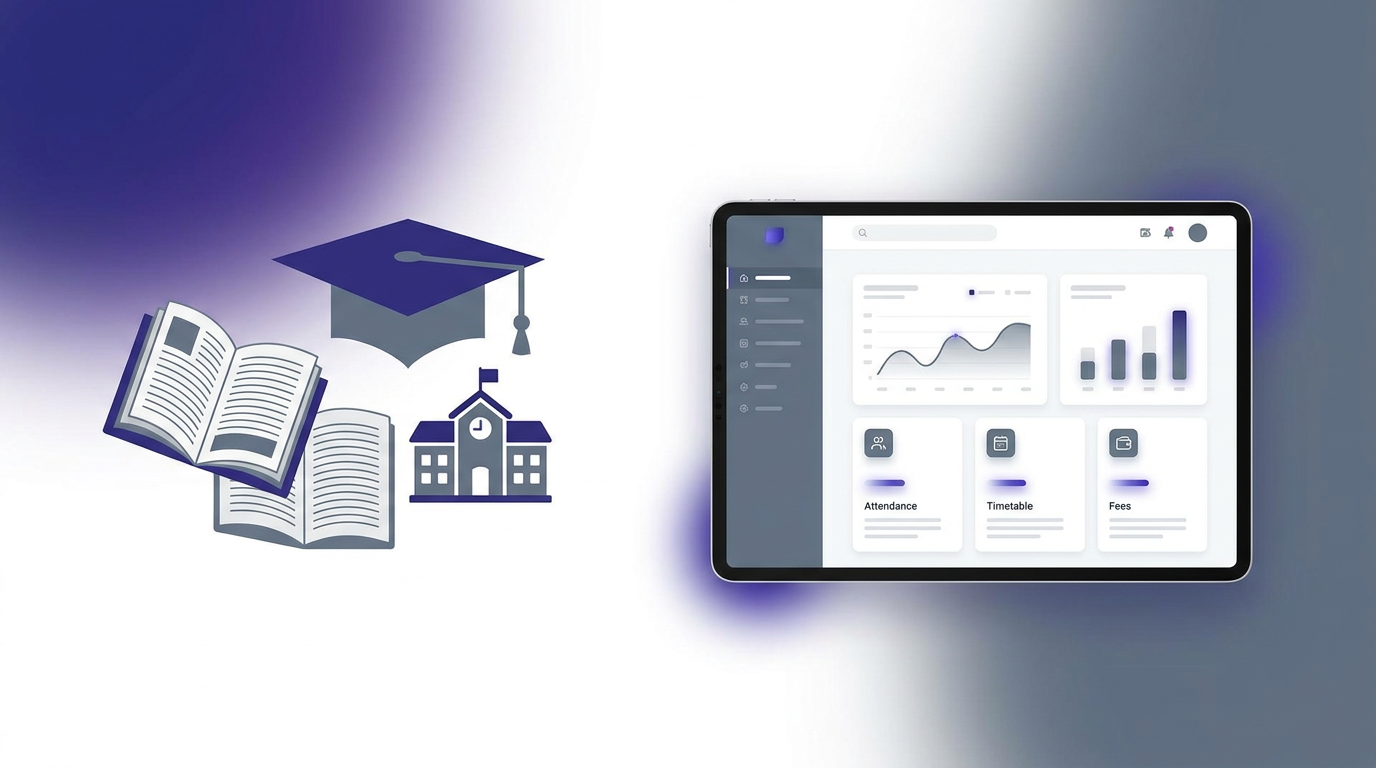
CampusMint provides parents with an intuitive mobile portal. Access daily attendance registers, view homework uploads, and read official school circulars from a single, clean interface, completely eliminating communication gaps.
Automated Cashless Billing
Our platform streamlines school fee collections. Parents can pay quarterly fees in seconds via preferred UPI apps. Reconciliations are processed automatically, and professional digital receipts are generated instantly, saving time for parents and clerks.
Continuous Performance Updates
Keep parents updated on attendance trends and academic grades continuously. By sharing real-time performance indicators, CampusMint ensures that families are always in the loop, significantly boosting brand trust and re-enrollment rates.