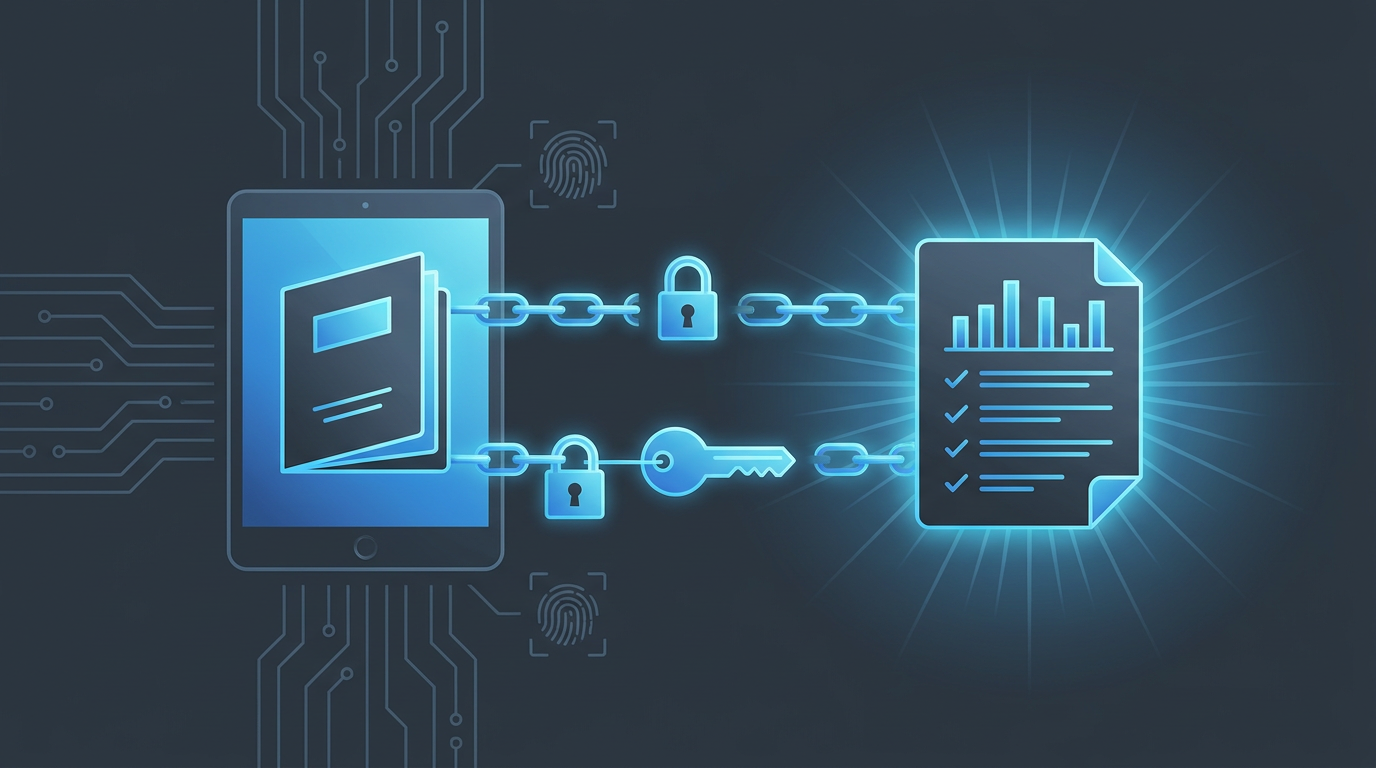
Digitizing Examination Workflows: How Colleges can Secure Grading Keys and Speed Up Grade Sheet Compilation
In the academic calendar of any higher education institution, the examination and evaluation phase is the most critical and high-security operational cycle. Examiners must draft secure question keys, controllers must schedule hundreds of exam halls, and registrars must compile grades, calculate SGPAs/CGPAs, and print final, error-free transcript sheets.
When these high-security processes rely on manual ledger sheets, physical mark registers, and localized spreadsheets, the risks are immense. Accidental mark overrides, mathematical calculation errors, and data security compromises can delay academic results by months, harming student career prospects and exposing the college to severe administrative liabilities.
Securing and accelerating your examination operations requires building a digital evaluation workspace protected by strict access controls.
This guide breaks down the core technical steps to secure your university examination registry and automate grade sheet compilations cleanly.
The Examination Logistics and Grading Risks
Relying on manual exam management and disconnected spreadsheets exposes colleges to significant operational bottlenecks and safety vulnerabilities.
1. The Grade Compilation Backlog
Gathering continuous assessment scores, mid-term grades, and final exam marks across multiple departments to calculate weighted GPA scales is a massive clerical chore, frequently leading to calculation errors and delayed results.
2. Accidental Overrides and Modification Risks
Unsecured physical grading sheets or local Excel files are highly vulnerable to unauthorized modifications. Without strict access controls, identifying who altered a grade is impossible, posing a severe compliance risk for the registrar's office.
3. Exam Hall Allocation Clashes
Coordinating seating arrangements, room capacities, and exam timetables manually often leads to room double-bookings and seat shortages, causing scheduling chaos and teaching delays during final exam weeks.
1. The Secure Digital Exam Blueprint
To protect grading security and accelerate transcript compilation, registrars must transition to a secure, cloud-first exam management workspace.
Step 1: Deploy a Secure Question and Grade Key Registry
Store exam question maps, marking rubrics, and grade templates inside an encrypted, restricted registry that only authorized department heads can access, completely eliminating data leak leaks.
Step 2: Automate Weighted CGPA Calculations
Configure a central grading engine that calculates weighted grade multipliers, SGPAs, and CGPAs automatically based on your university's approved credit frameworks. This guarantees 100% mathematical accuracy across all departments.
Step 3: Generate Tamper-Proof Digital Transcripts
Design a system that compiles student academic history and generates verified, professional digital transcripts with a single click. Every transcript carries a unique verification footprint, eliminating forged certificates and making credential verification quick and secure.
2. Hardening Exam Operations with CampusMint
We designed CampusMint’s Higher Education module specifically to simplify exam administration and secure grading registers, helping registrars manage finals with absolute ease.
Encrypted Grading Registries
CampusMint features secure, role-based grade panels. Tutors enter marks directly into their devices, and changes are logged in our tamper-proof audit trails, protecting your grading security and ensuring full compliance.
Automated CGPA Engines
Our platform automates weighted credit grade calculations. Instantly compile term results, calculate CGPA maps, and generate academic standings across departments cleanly, reducing grade compilation workloads by up to 95%.
One-Click Secure Transcripts
Generate verified, professional student transcripts with a single click. CampusMint secures academic histories, allowing registrars to issue certificates and print transcripts cleanly, maintaining high academic standards.